Portable NIR Analyzer for Food Processing Industries
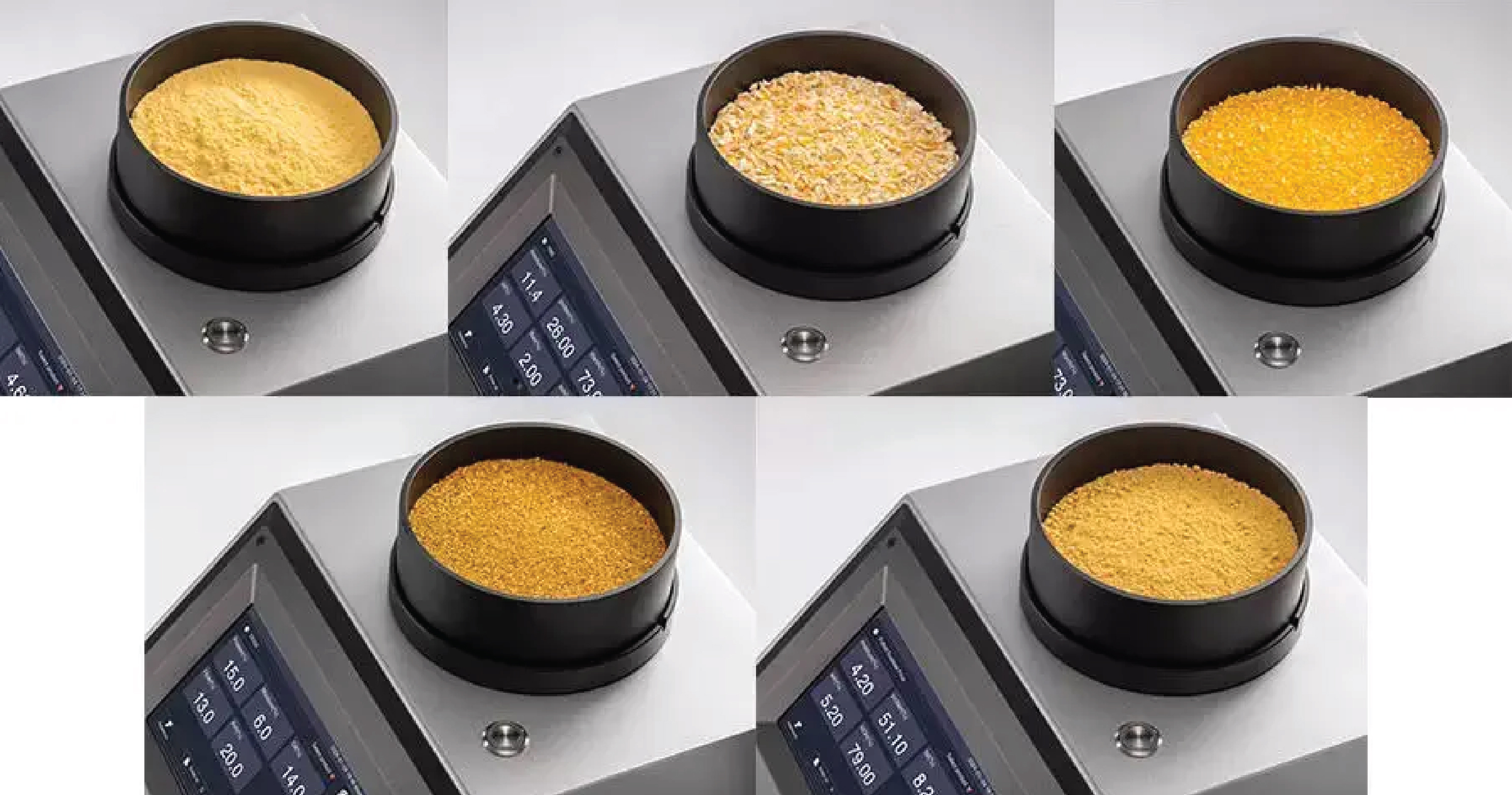
Fast and Reliable Food Quality Analysis with Portable NIR Technology
A Portable NIR Analyzer for Food Processing Industries is a modern analytical instrument designed to support rapid quality assessment of food ingredients and processed products. Using Near-Infrared (NIR) spectroscopy, these instruments analyze how materials interact with near-infrared light to estimate selected quality parameters, depending on the instrument model, calibration, and application.
Portable NIR analyzers can help food manufacturers, quality control laboratories, food testing facilities, and processing units perform measurements closer to production lines, raw material receiving areas, and storage locations. This technology can support quality monitoring, process consistency, and faster decision-making.
Benchmarck Scientific supplies scientific and laboratory equipment to support food quality testing and industrial analytical applications. Contact our team to discuss suitable portable NIR analyzer models for your requirements.
What Is a Portable NIR Analyzer?
A portable Near-Infrared Analyzer is a compact analytical device that uses NIR spectroscopy to evaluate selected properties of a sample. Depending on the model and validated calibration, it may estimate parameters such as moisture, protein, fat, or other composition-related properties in compatible food products.
Compared with conventional laboratory testing methods, portable NIR analysis can provide faster results for suitable applications and may reduce the need for extensive sample preparation. Results should be validated against appropriate reference methods before being used for critical quality decisions.
Applications in Food Processing Industries
1. Grain and Cereal Processing
Portable NIR analyzers can support quality assessment of grains and cereal products, including wheat, rice, maize, and other compatible grains. Depending on calibration, potential measurements may include moisture and protein content.
2. Flour and Bakery Ingredient Testing
Flour mills and bakery ingredient suppliers can use suitable NIR systems to monitor selected quality characteristics of flour and other powdered ingredients. This can help support raw material consistency and batch quality checks.
3. Edible Oil and Oilseed Processing
In compatible applications, NIR technology can help assess selected composition parameters in oilseeds and related materials. The available measurements depend on the analyzer, sample presentation, and validated calibration.
4. Dairy and Milk Powder Processing
Food manufacturers working with dairy powders and related ingredients may use NIR analyzers for selected composition measurements when the instrument has appropriate application support and calibration.
5. Meat and Protein-Based Food Products
Certain NIR analyzer models can be configured for analysis of compatible meat products and protein-based materials. Application suitability depends on the sample type, measurement method, and validated calibration.
6. Spices, Pulses, and Food Ingredients
Food processors handling spices, pulses, seeds, and other ingredients may use portable NIR technology to support rapid screening of selected quality parameters where suitable calibrations are available.
7. Food Quality Control and Production Monitoring
Portable analyzers can help quality teams perform measurements at multiple points in a processing facility. They can support routine screening and process monitoring, while laboratory reference methods remain important for confirmation and regulatory requirements.
Key Features of a Portable NIR Analyzer
- Portable design: Convenient for measurements at different locations within a facility, depending on the instrument configuration.
- Rapid analysis: Provides results quickly for supported applications after the required measurement and calibration steps.
- Multi-parameter capability: Some models estimate multiple quality parameters using suitable calibrations.
- Reduced sample preparation: Certain applications can be measured with minimal preparation, depending on sample characteristics and instrument requirements.
- Non-destructive measurement options: Some measurement methods allow the sample to remain largely intact.
- User-friendly operation: Many systems include software and guided workflows for routine testing.
- Data management: Supported models may store, export, or transfer measurement results for quality records and reporting.
Benefits for Food Processing Industries
Improved Quality Control
Routine measurements can help quality teams identify variations in raw materials and finished products.
Faster Production Decisions
Rapid results for validated applications may help operators and quality personnel make timely decisions about material handling and process adjustments.
Support for Batch Consistency
Regular testing can help monitor selected product characteristics across batches and suppliers.
Convenient In-Process Testing
Portable instruments allow measurements to be taken near production and receiving areas, where permitted by the instrument's operating requirements.
Potential Reduction in Routine Testing Costs
For suitable applications, NIR analysis may reduce reliance on some conventional tests. Actual savings depend on validation, testing volume, operating costs, and the need for confirmatory laboratory analysis.
How to Choose the Right Portable NIR Analyzer for Food Processing
Before selecting a portable NIR analyzer, consider the following factors:
- Food sample type: Confirm that the instrument supports your specific product, such as grains, flour, spices, oilseeds, or food powders.
- Parameters to measure: Identify whether you need moisture, protein, fat, or other application-specific measurements.
- Calibration availability: Verify that validated calibrations are available for your products and expected measurement range.
- Measurement method: Check whether the sample must be ground, placed in a cup, measured directly, or prepared in another way.
- Accuracy and validation: Request performance data and compare results with your accepted reference laboratory method.
- Software and reporting: Check data storage, export options, connectivity, and reporting functions.
- Service and application support: Consider training, calibration support, maintenance, and technical assistance.